
Summary: Professional strata cleaners remove germ buildup on frequently touched surfaces. They also eliminate unpleasant odours from garbage and waste areas. Professionals also remove mould from shared bathrooms.
Shared residential spaces bring people together, but they also create hygiene challenges. From busy lift lobbies to communal bathrooms and rubbish areas, these spaces experience daily foot traffic and regular use. Without proper cleaning, dust, germs, unpleasant odours, and stubborn dirt can quickly become noticeable. A quick sweep may make an area look tidy, but does it remove the hidden grime and bacteria? Professional strata cleaners in Bondi Junction address these concerns through planned cleaning routines, suitable products, and attention to frequently used surfaces.
Residents touch the lift buttons, door handles, handrails, intercoms, and shared switches throughout the day. These surfaces can collect dirt and become points where germs spread from one person to another. When you call a strata cleaning company, experts include high-touch surfaces in their cleaning schedules and use suitable products for different materials.
Shared rubbish rooms and bin storage areas can develop strong smells, especially when waste is left behind, bins overflow, or spills are not cleaned promptly. Food residue and damp surfaces can worsen the problem. Professional strata cleaners clean bin areas, remove visible residue, wash suitable surfaces, and address spills before odours become persistent. Regular attention to floors, corners, and bin lids helps prevent waste from building up.
Communal bathrooms and other damp areas need more than a quick wipe. Moisture can collect around sinks, taps, tiles, and grout. They can create conditions where mould and mildew can develop. Soap residue and limescale can also make surfaces look dirty and unhygienic. When you choose professional strata cleaning, experts focus on toilets, sinks, floors, taps, and other frequently used surfaces.
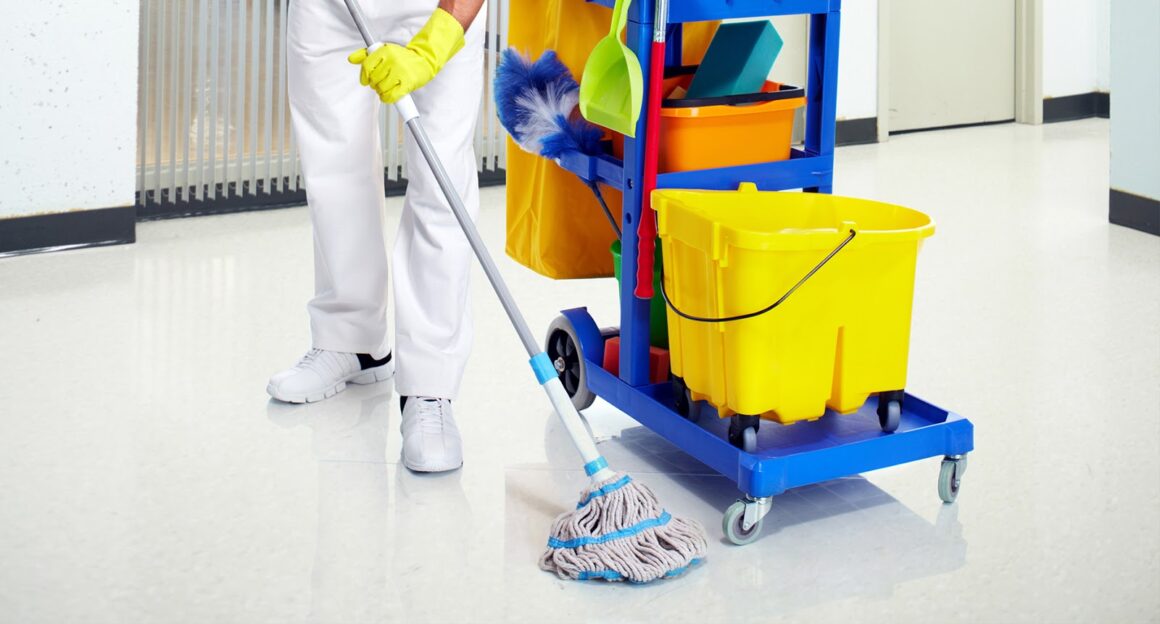
Carpets, stairwells, corridors, and entrance areas collect dust, dirt, hair, and other debris brought in on shoes and clothing. If these areas are neglected, particles can accumulate and affect the comfort of residents, especially those sensitive to dust. Regular vacuuming, dusting, sweeping, and mopping help keep shared spaces cleaner. A structured checklist can also make cleaning more consistent and reduce the chance of overlooked areas.
Good building hygiene is not achieved through occasional deep cleaning alone. It depends on consistent routines, suitable cleaning methods, and cooperation between residents, cleaners and property managers. Get in touch to manage everyday hygiene concerns before they become bigger problems.